The name came from a blur
In 1872 Claude Monet painted the harbor at Le Havre at sunrise in loose, quick strokes and called it Impression, Sunrise. The orange sun and its reflection matter more than any detail.
At an exhibition in Paris in 1874 a critic mocked the painting and the group that showed it, and the name Impressionists stuck.
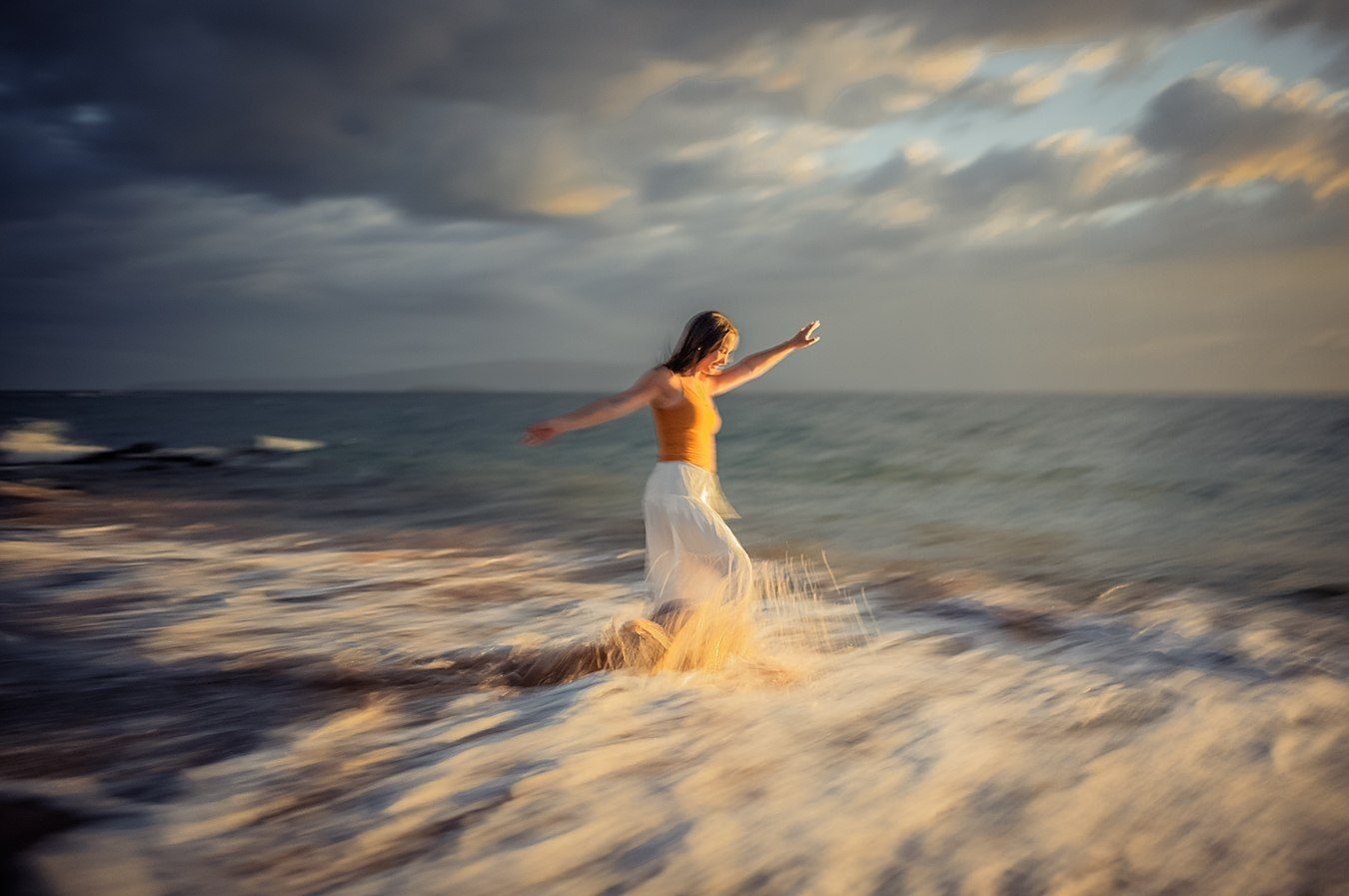
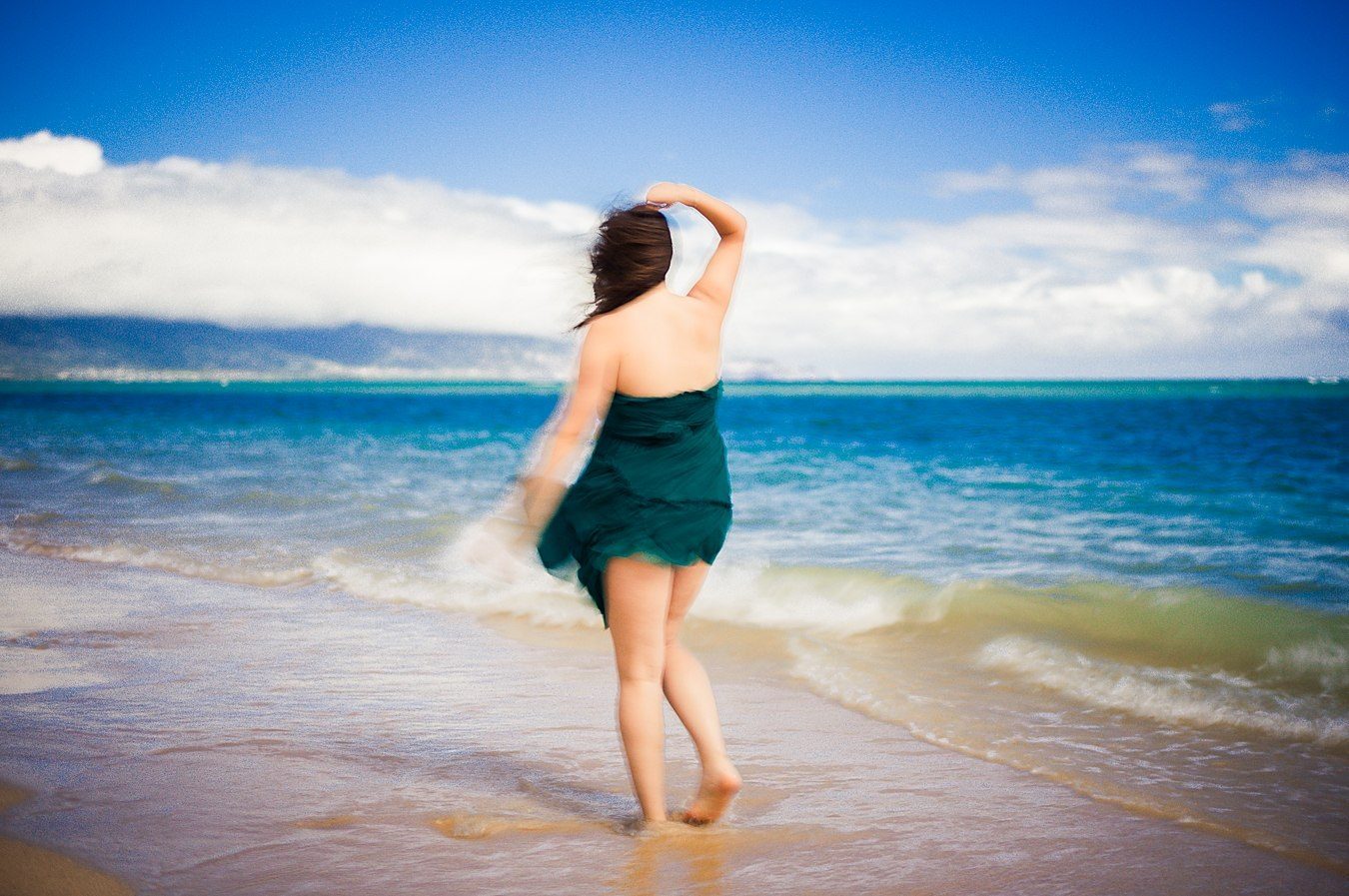
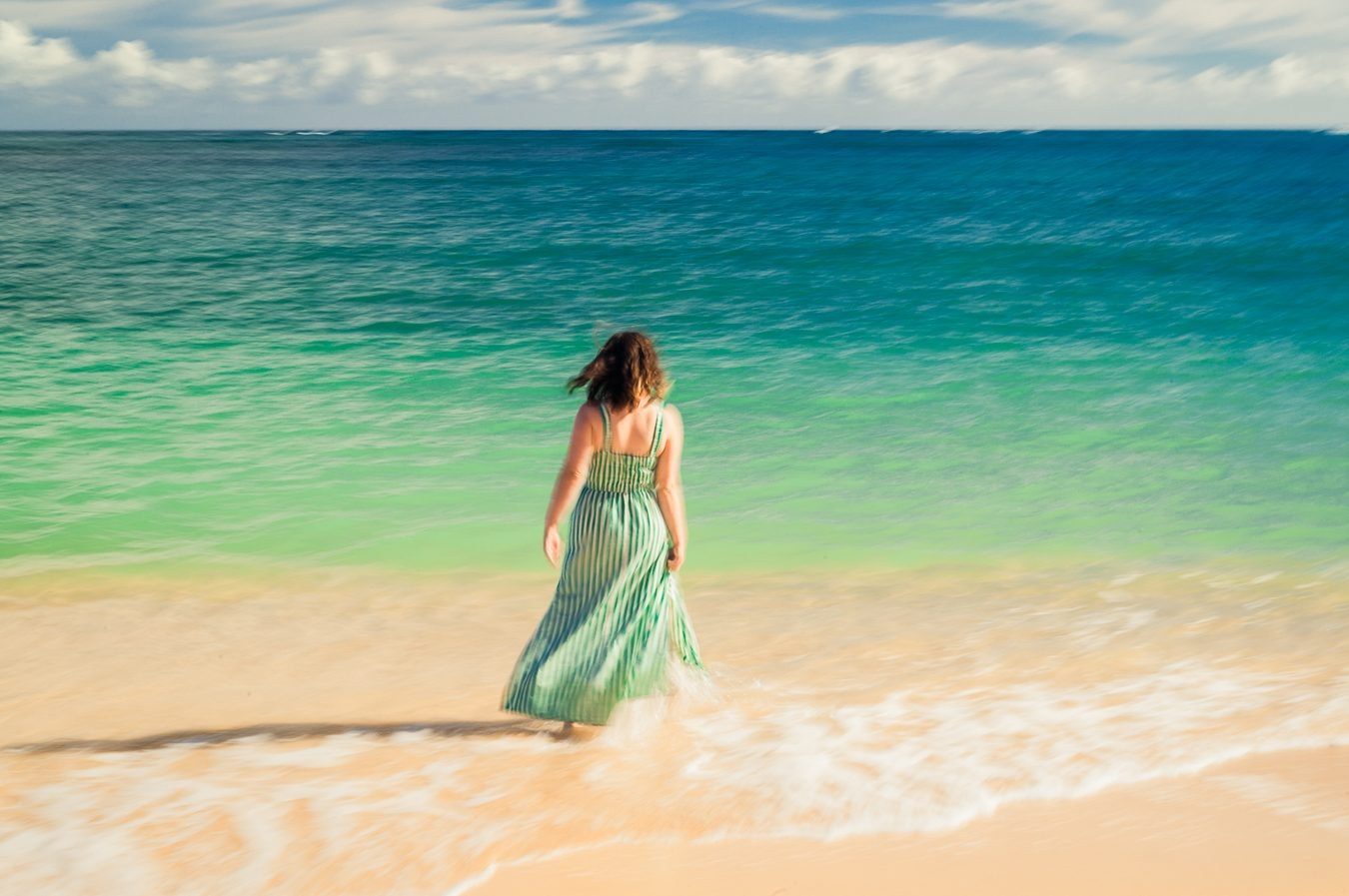
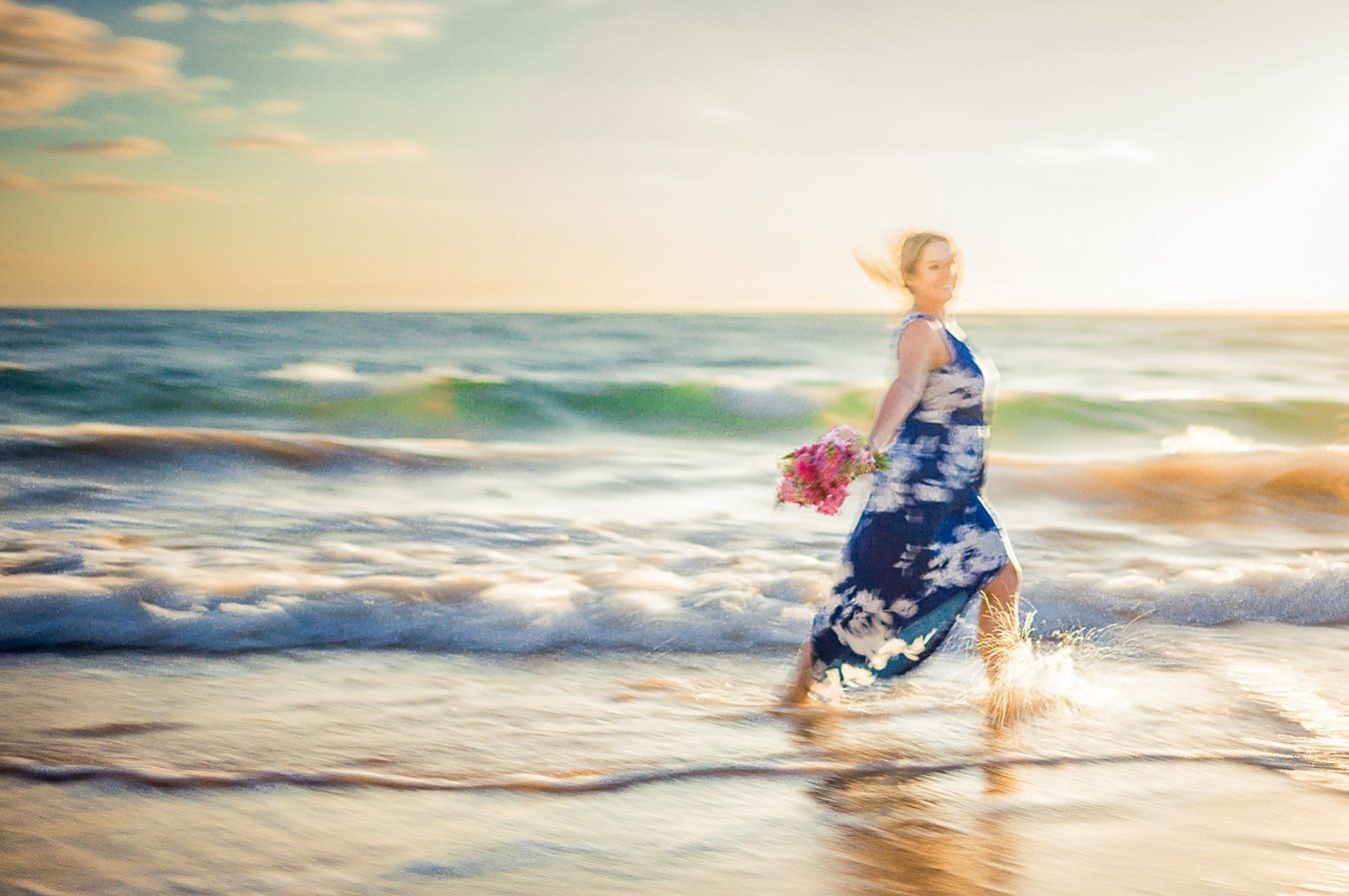
Their goal was not the detail of a scene but the impression of a moment: light, movement, atmosphere. A long exposure does the same thing, with time instead of paint.
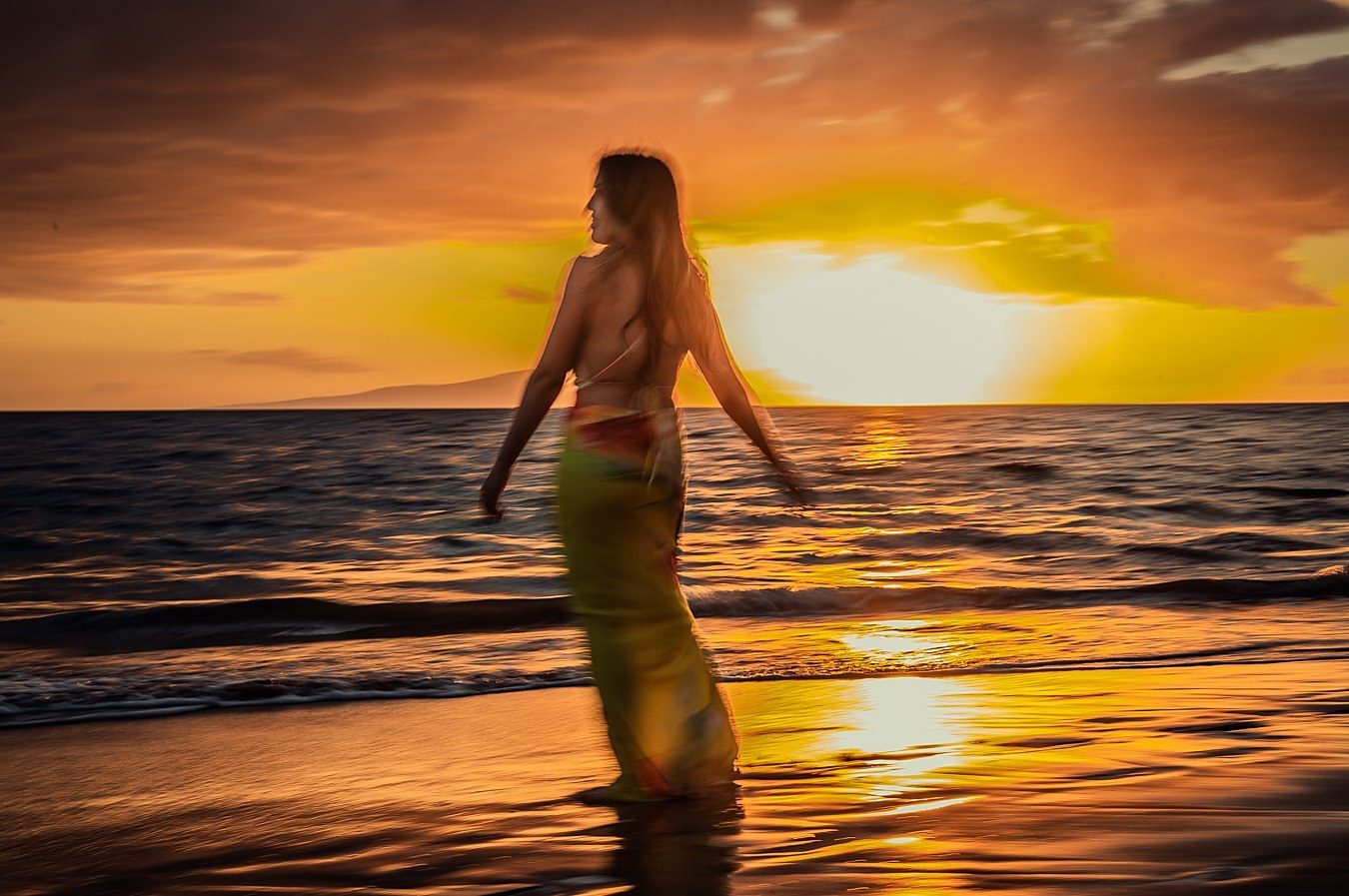
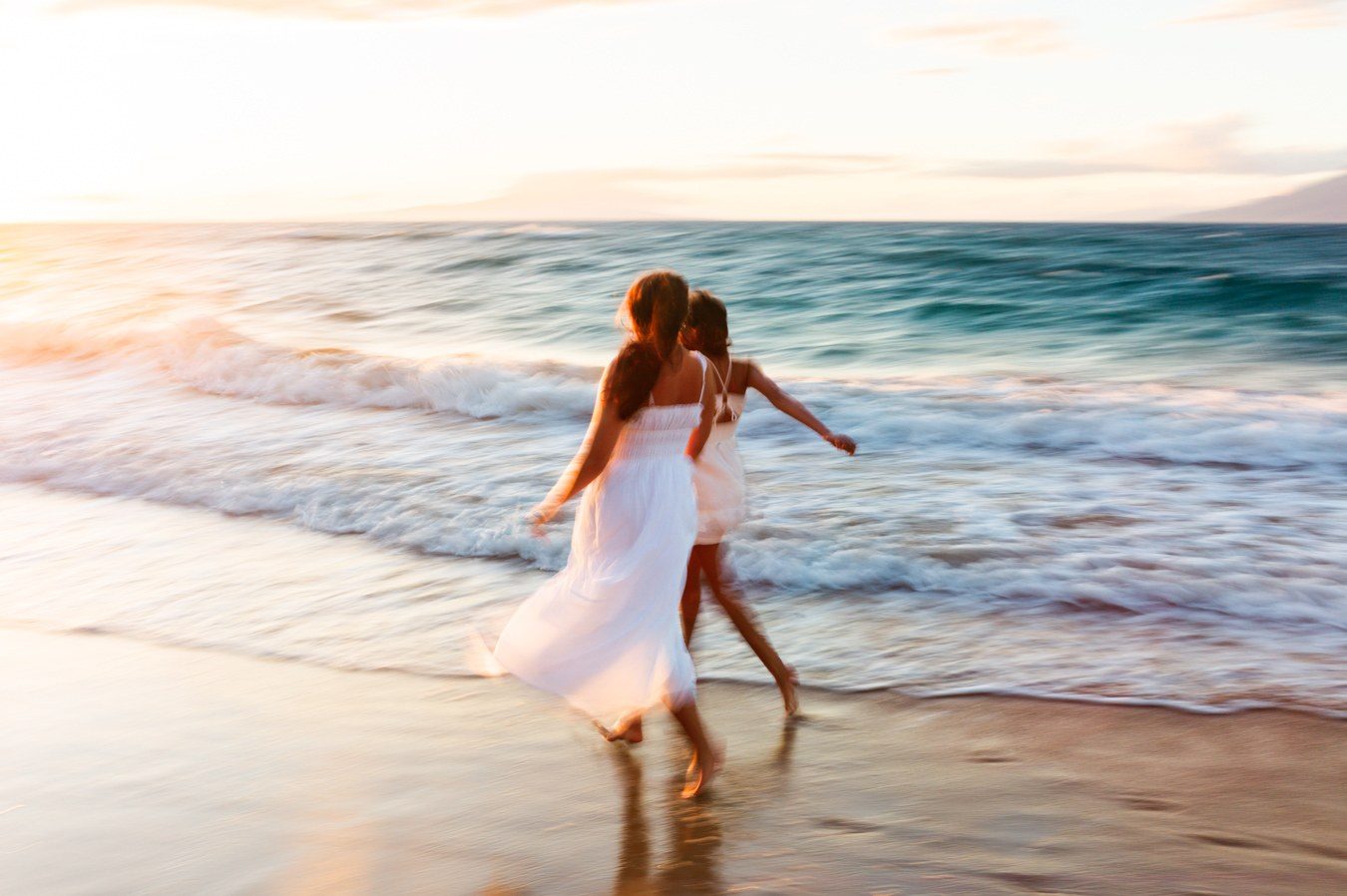
Sun, sea and a figure, softened by time.
Six painters of light and movement
Turner’s blurred storms and steam came first. These painters took the idea outdoors.
Claude Monet
Painted one subject at different hours (haystacks, Rouen Cathedral, water lilies) to show light changing over time.
Pierre-Auguste Renoir
Dappled light on moving crowds, as in Dance at Le Moulin de la Galette (1876). Faces soft, mood exact.
Edgar Degas
Dancers caught mid-movement and cropped like snapshots. Gesture mattered more to him than detail.
Berthe Morisot
Quick, loose brushwork and bright light. She showed in the first Impressionist exhibition in 1874.
Eugène Boudin
Painted the Normandy beaches outdoors and urged the young Monet to paint from life.
Joaquín Sorolla
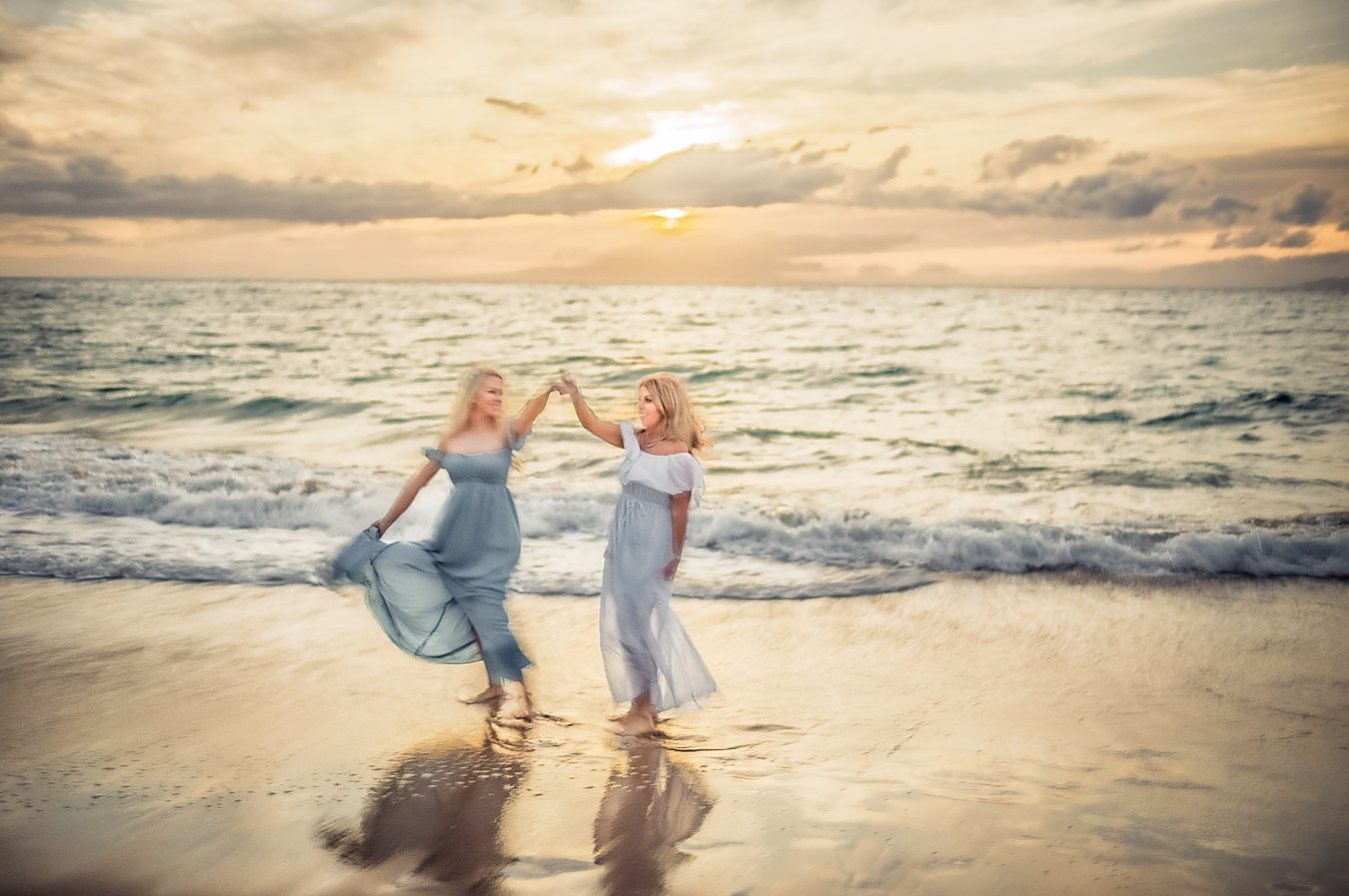
Spanish painter of sunlit beaches: wind in white dresses, light on wet sand.
Tone and gesture: black and white
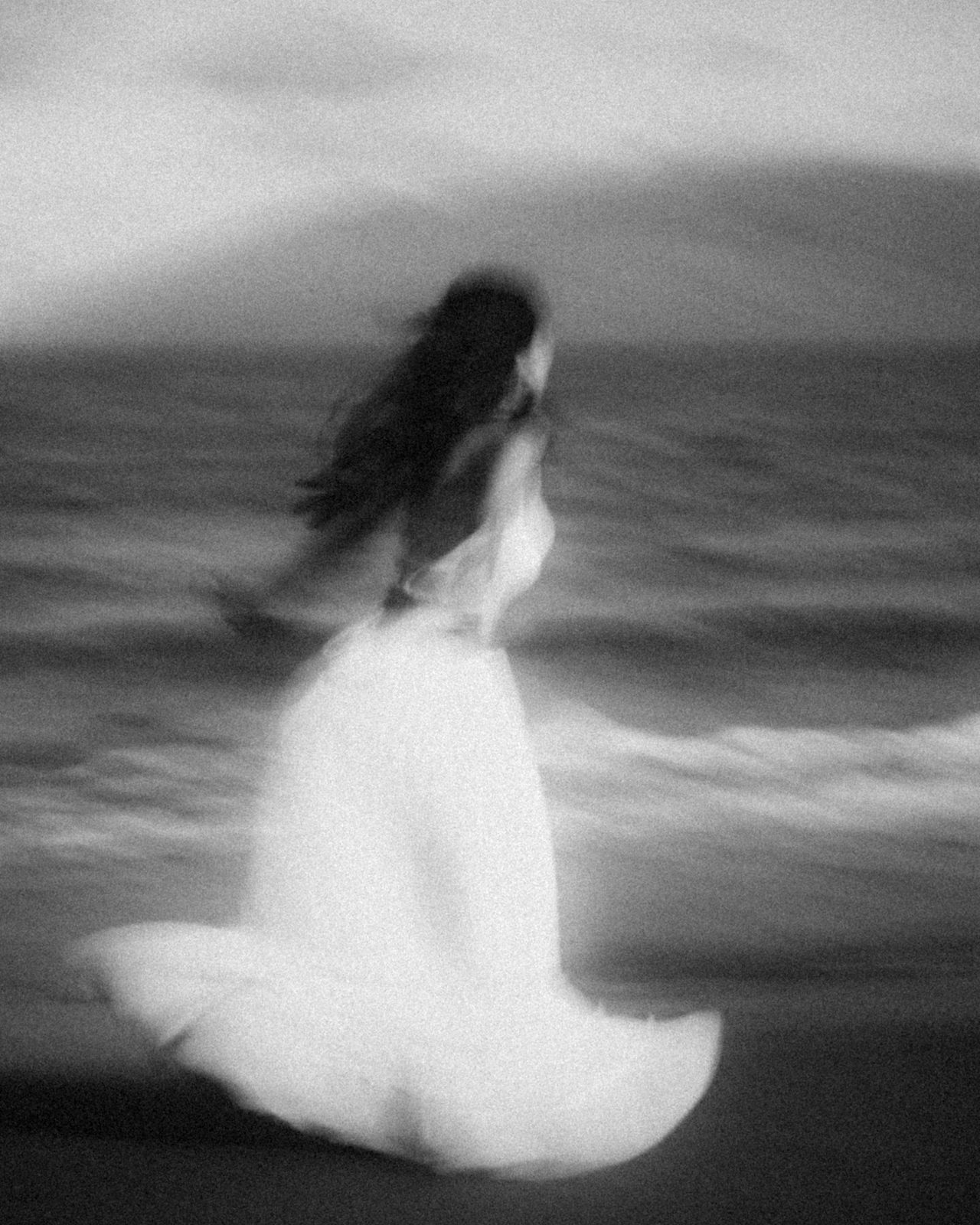
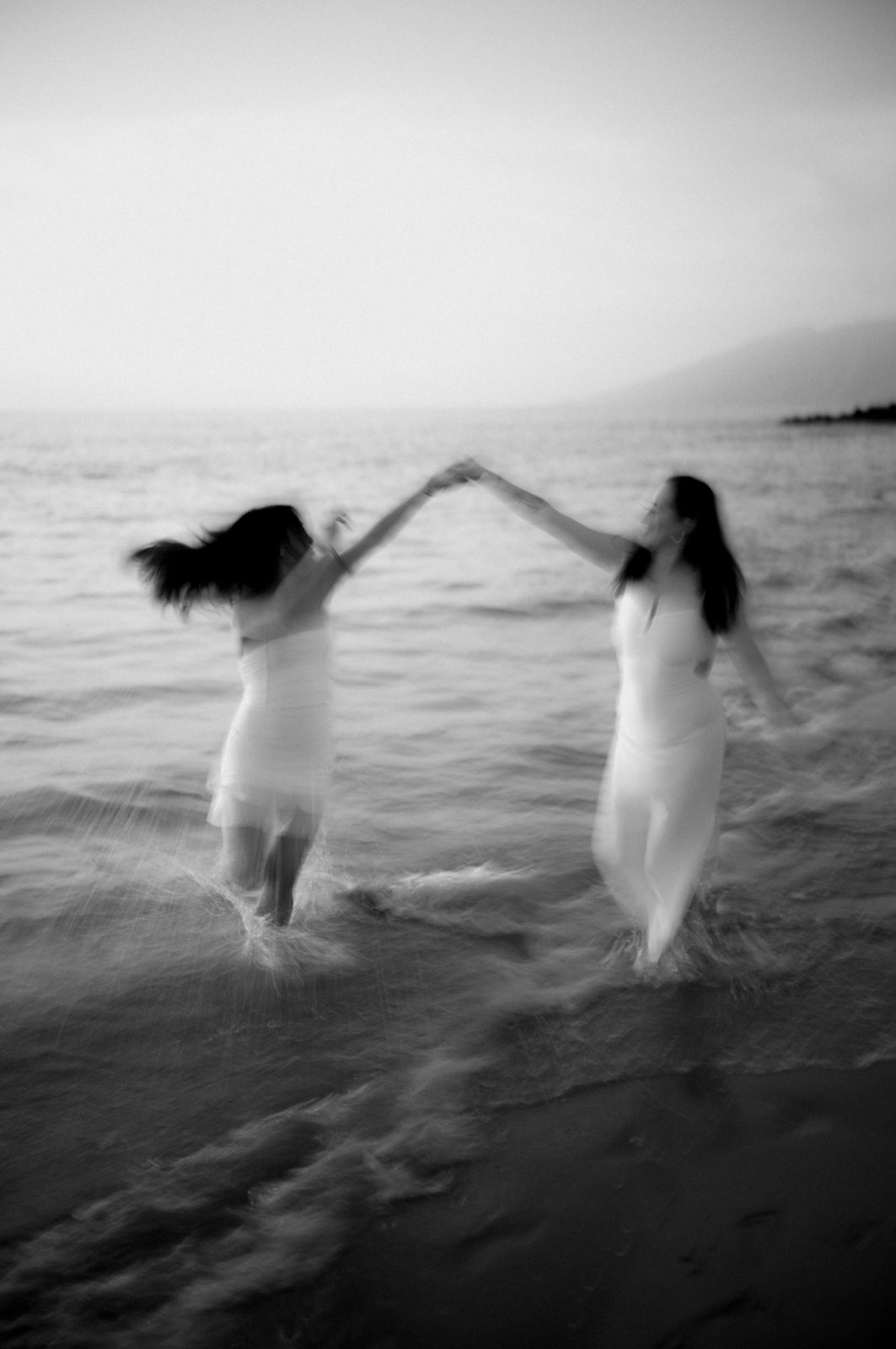
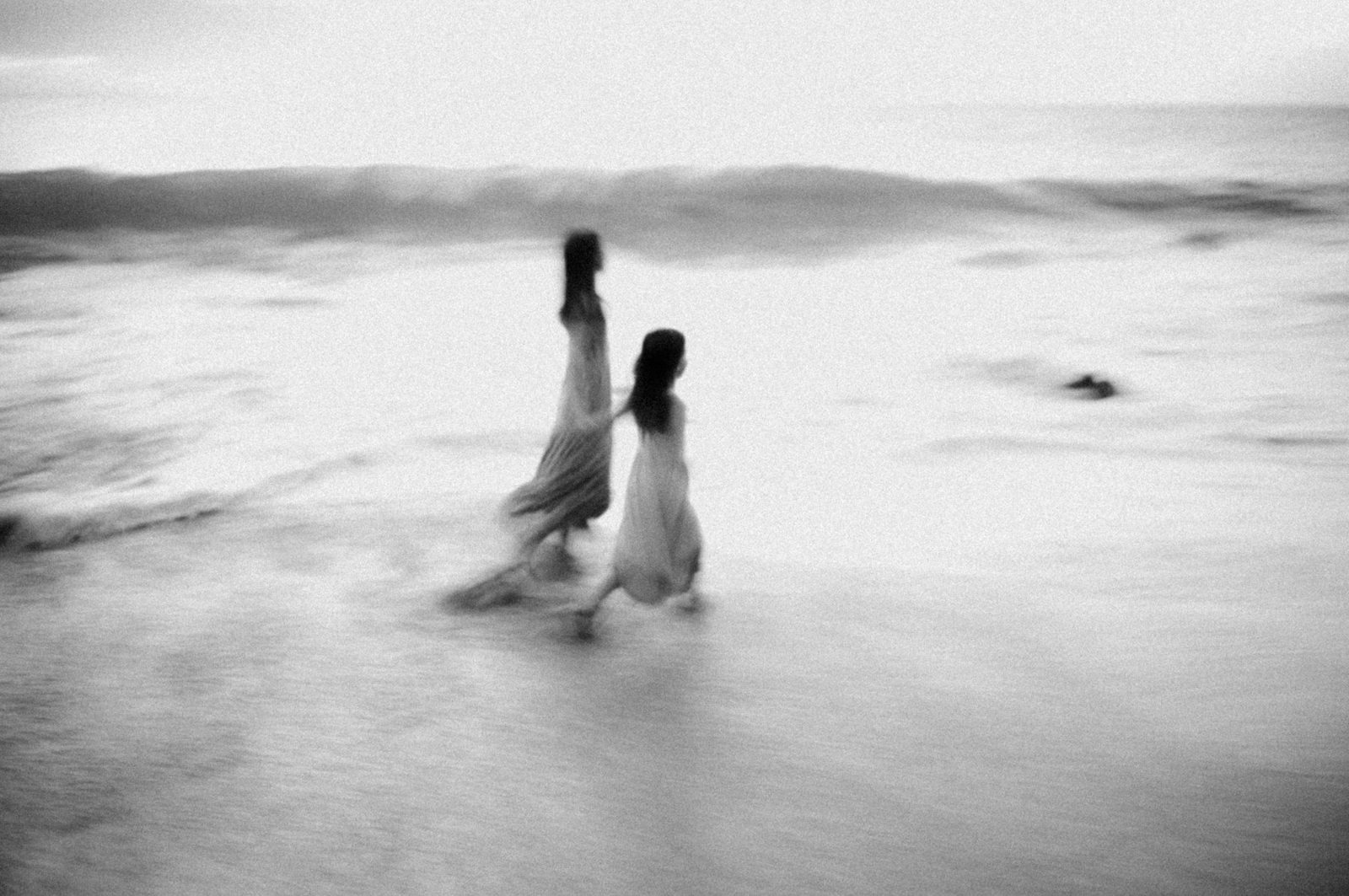
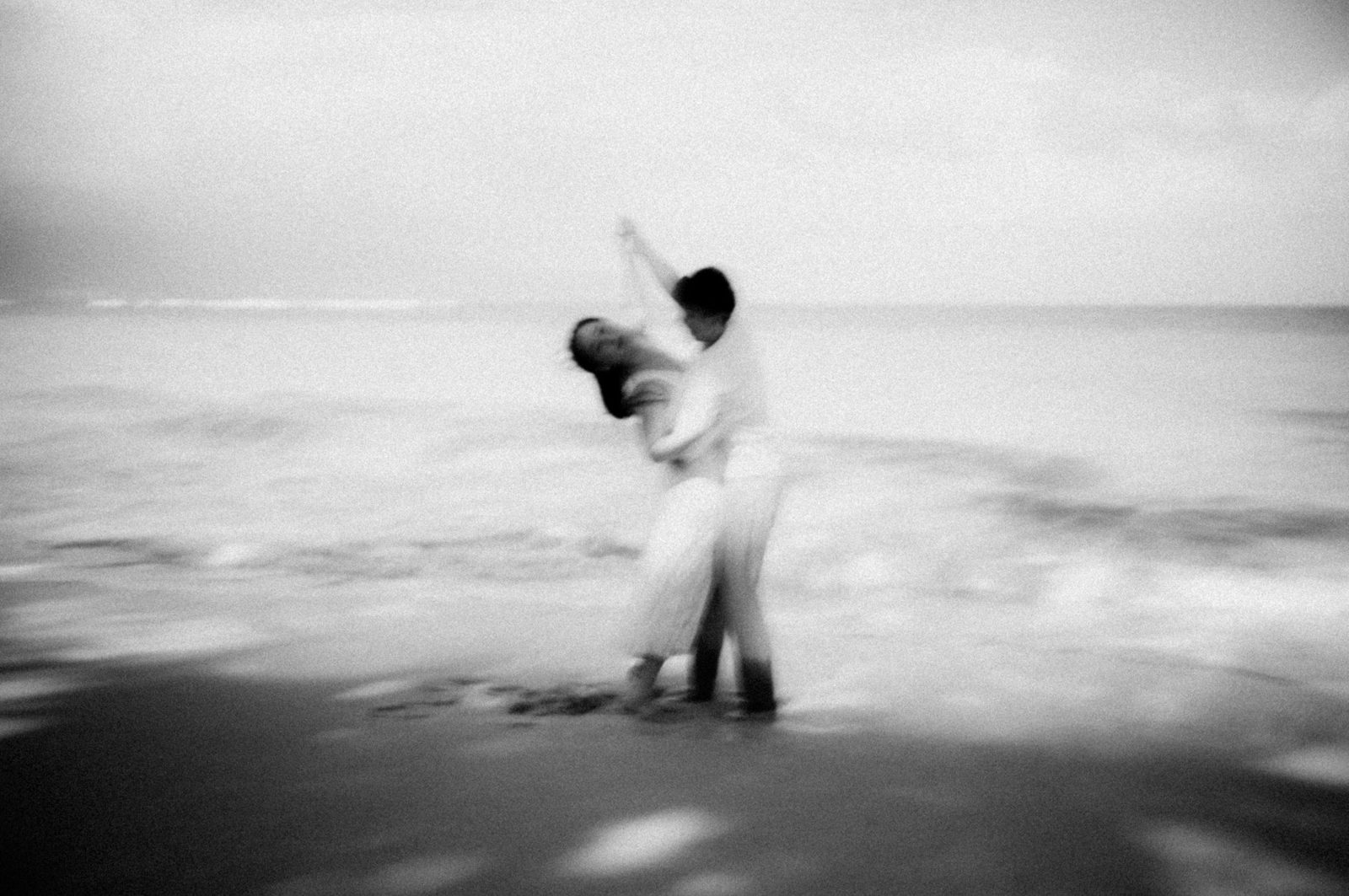
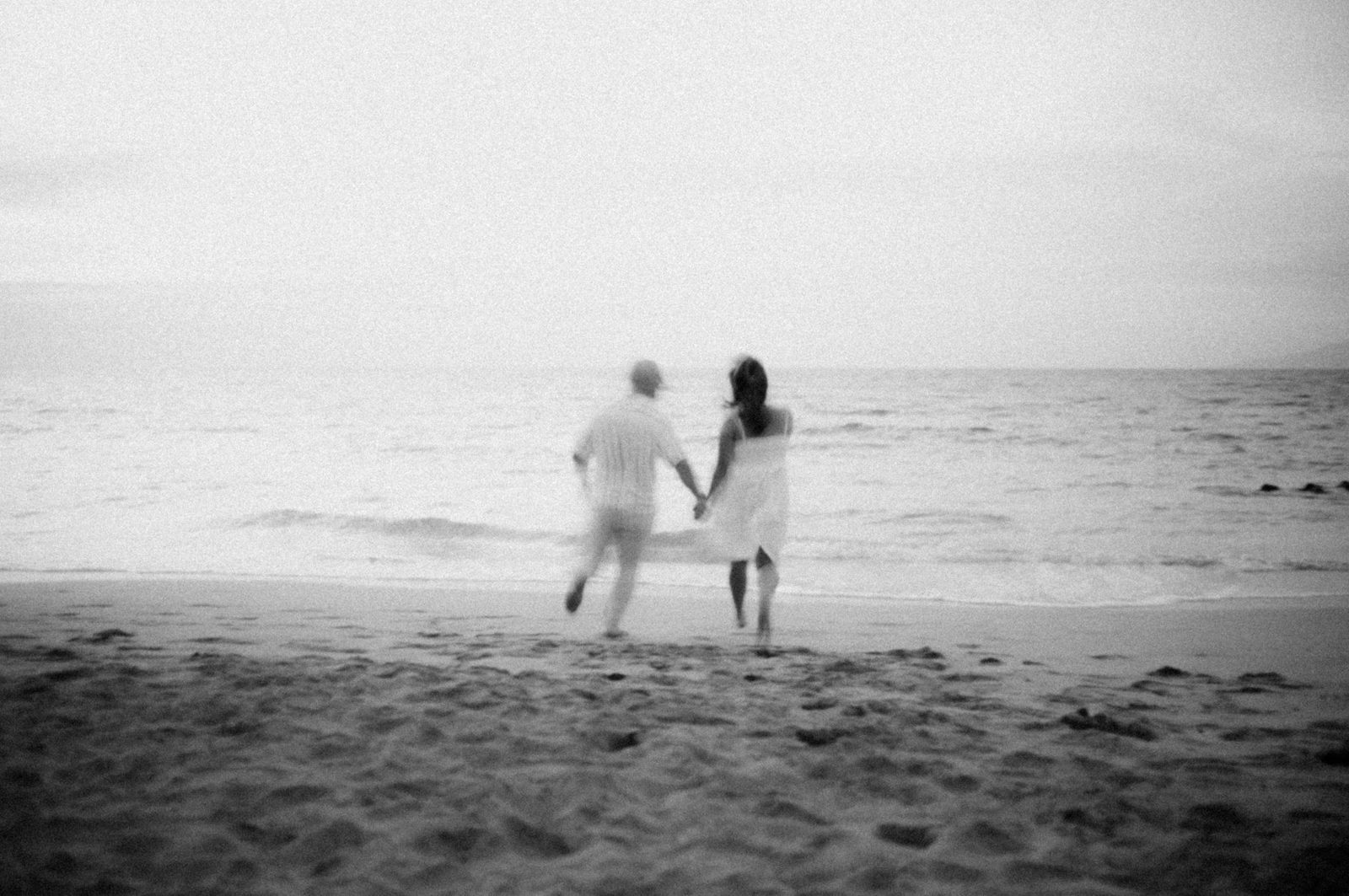
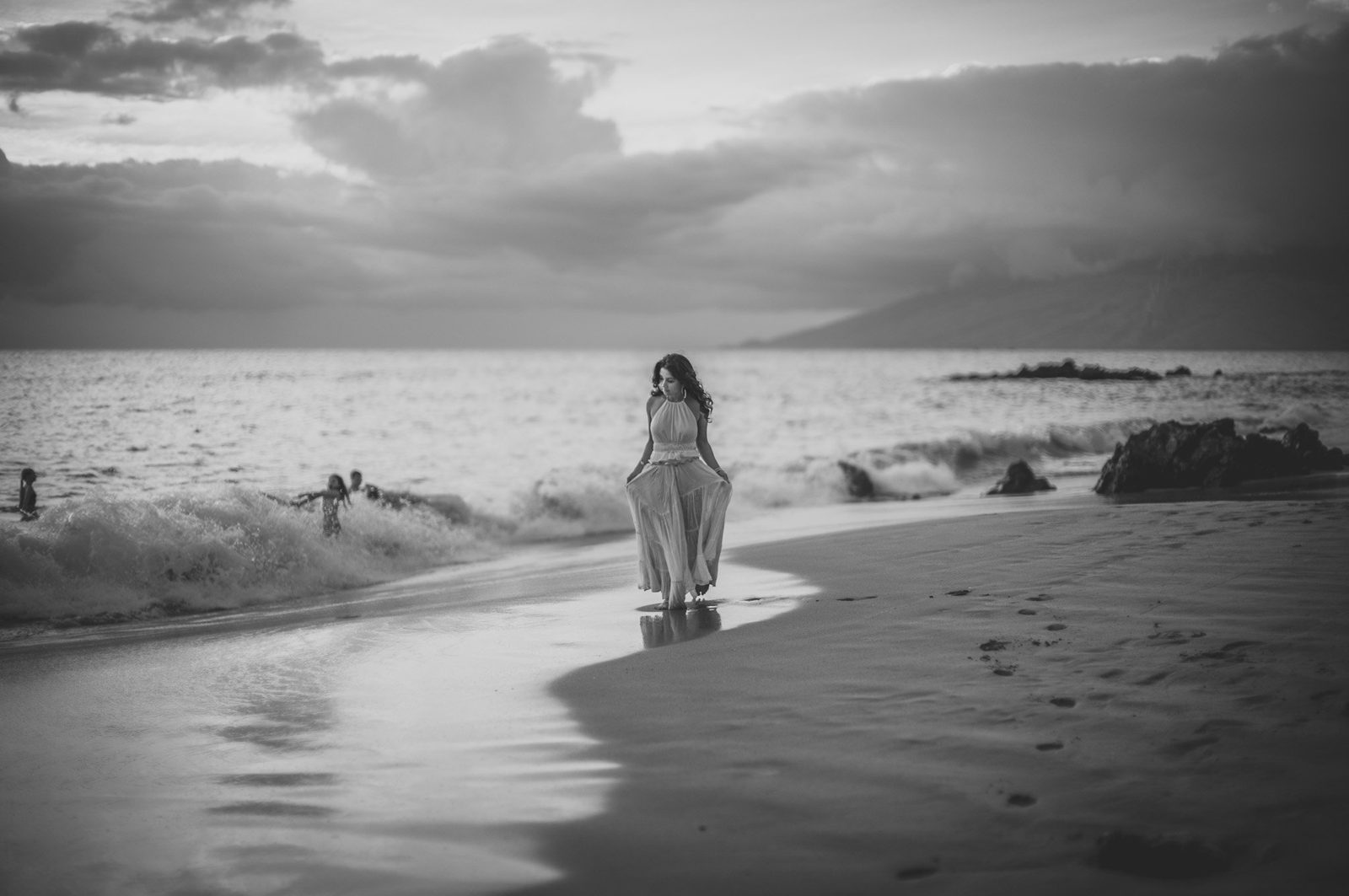
Without color, the arc of an arm and the light on the water are all that is left. Faces and edges give way to white dresses, water and haze.
What the brush did, the shutter can do
Each Impressionist habit has a photographic twin.
| The painter | The photographer |
|---|---|
| Visible, broken brushstrokes | Streaks of motion blur |
| Soft edges instead of outlines | A slow shutter on a moving subject |
| Light and color before detail | Warm, low light and open skies |
| One moment of light, not a frozen instant | Seconds of time in one frame |
Warm light on moving water
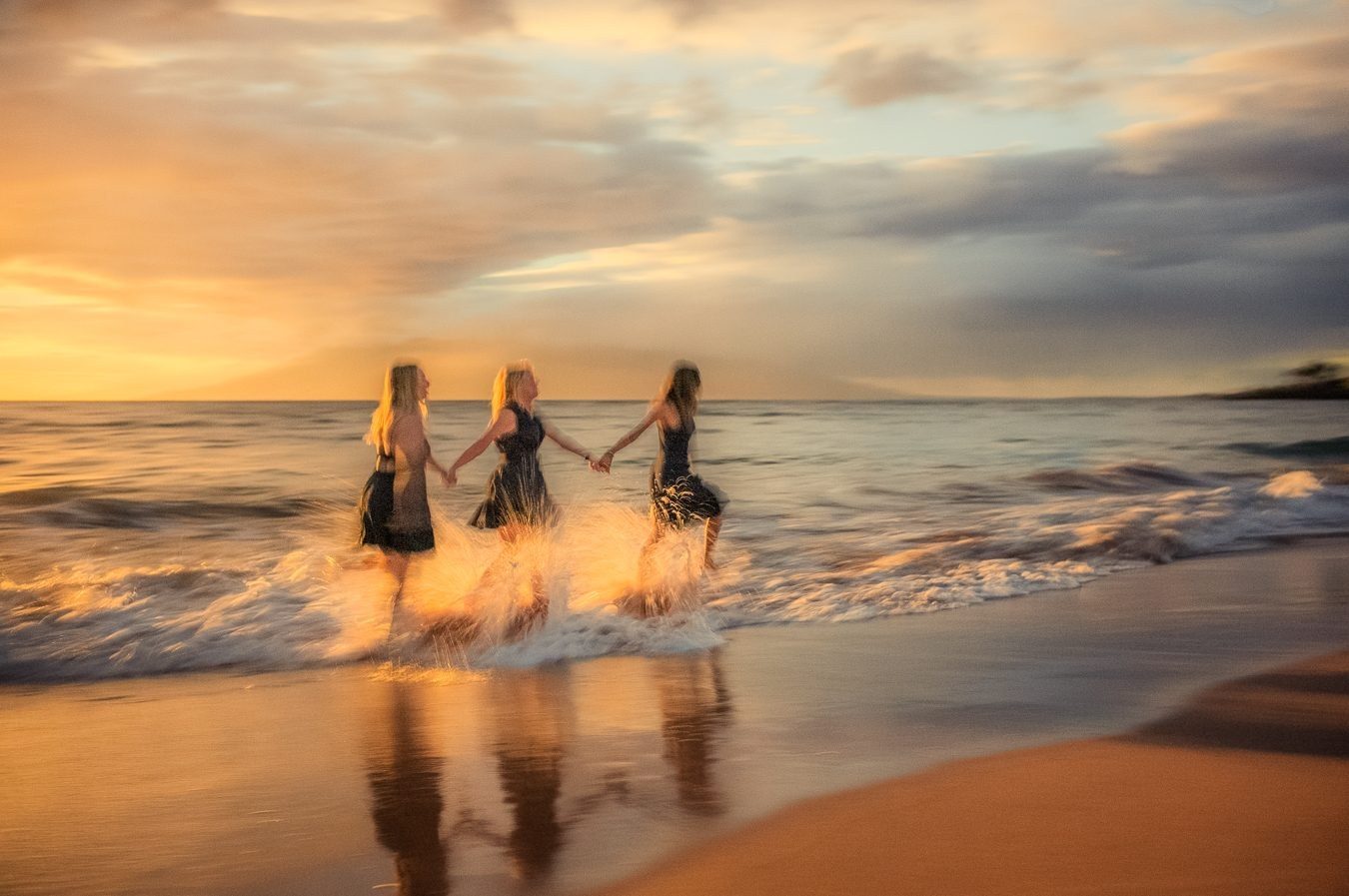
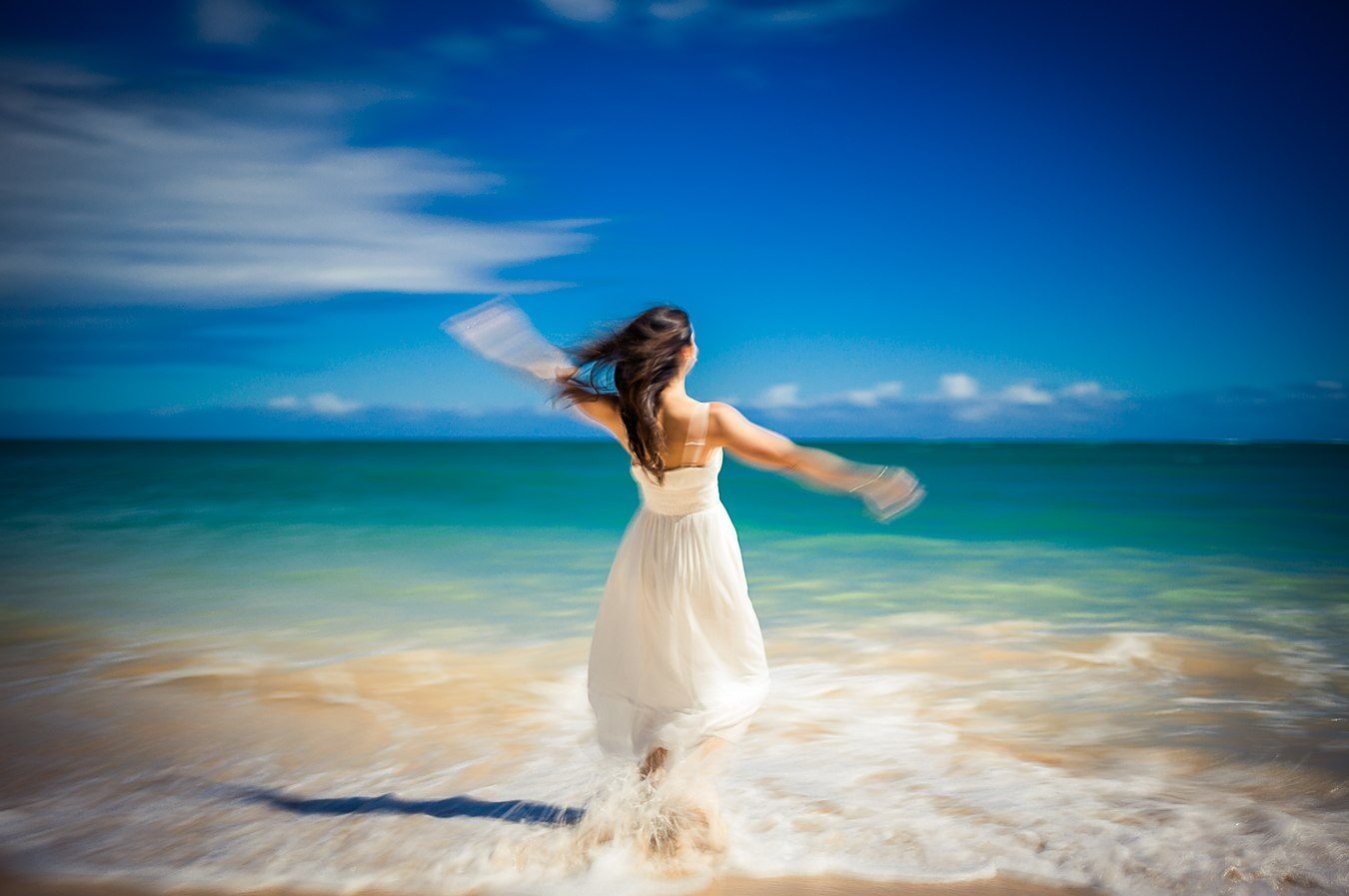
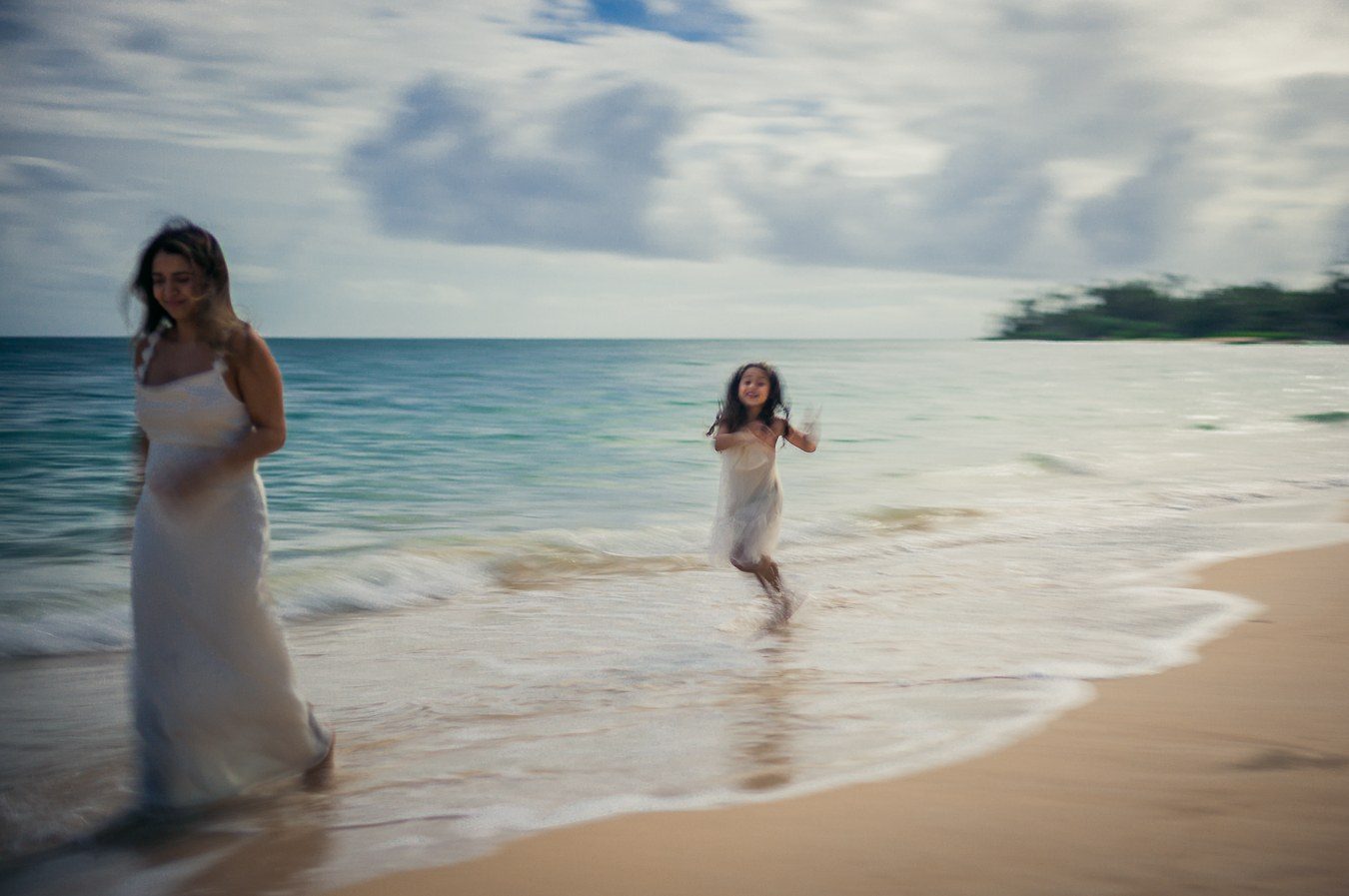
Monet chased light. The camera does it faster, but the instinct is the same. Hands joined, the figures hold while the water breaks around them, and dresses and surf catch the last warm light.
Paint with your shutter
Four habits for impressionist photographs.
Slow the shutter. Try roughly 1/4 s to 1 s, enough for movement to streak. In bright light, add an ND filter. The long exposure lesson has the stop math.
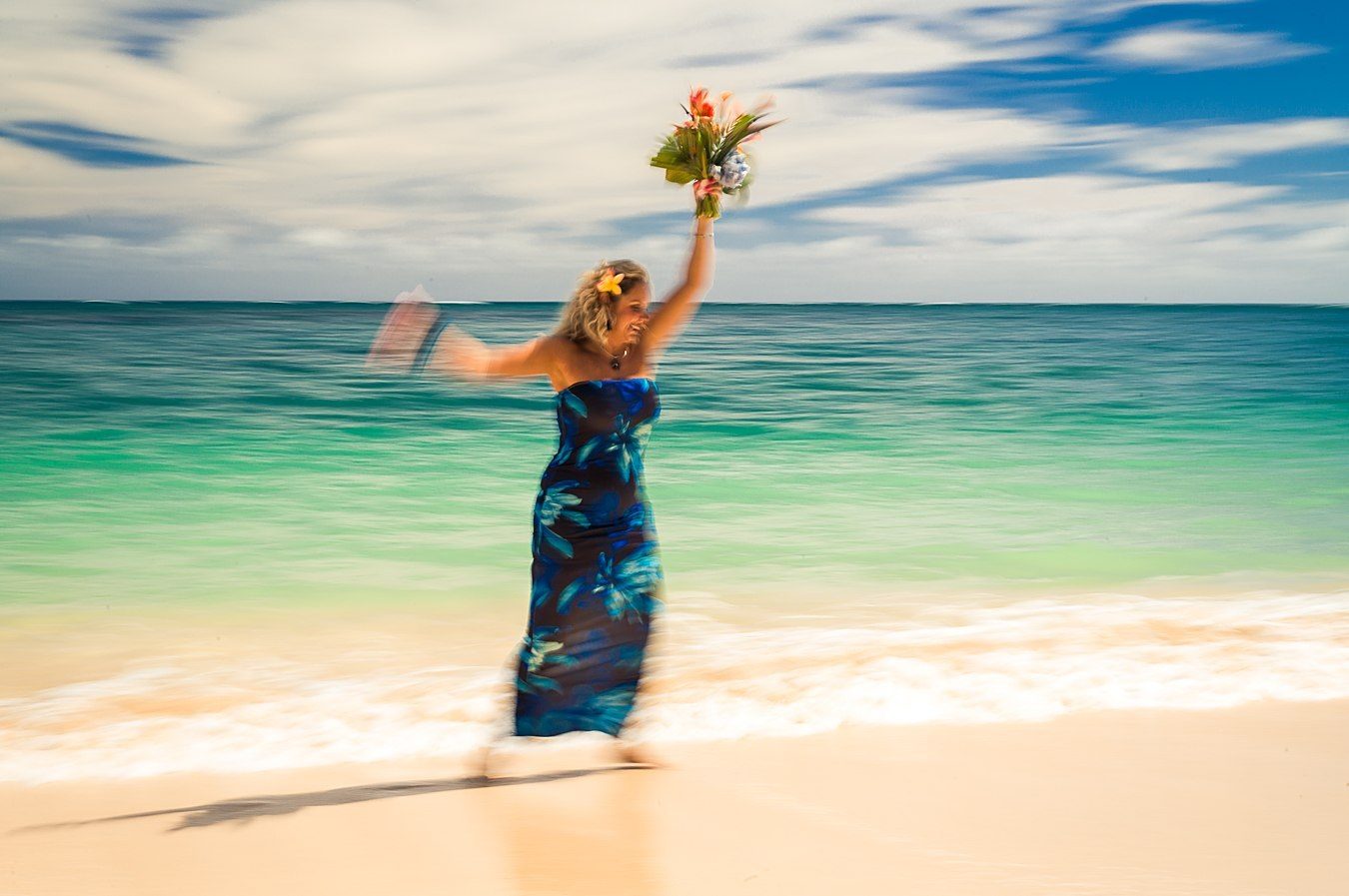
Let the subject move. Ask for a spin, a walk or a wave of the arm. Water and wind add their own motion.
Hold one thing still. Brace the camera and keep the horizon level, so the blur has something to push against.
Shoot many frames. Most will miss. Keep the one where the gesture reads and the light is right.
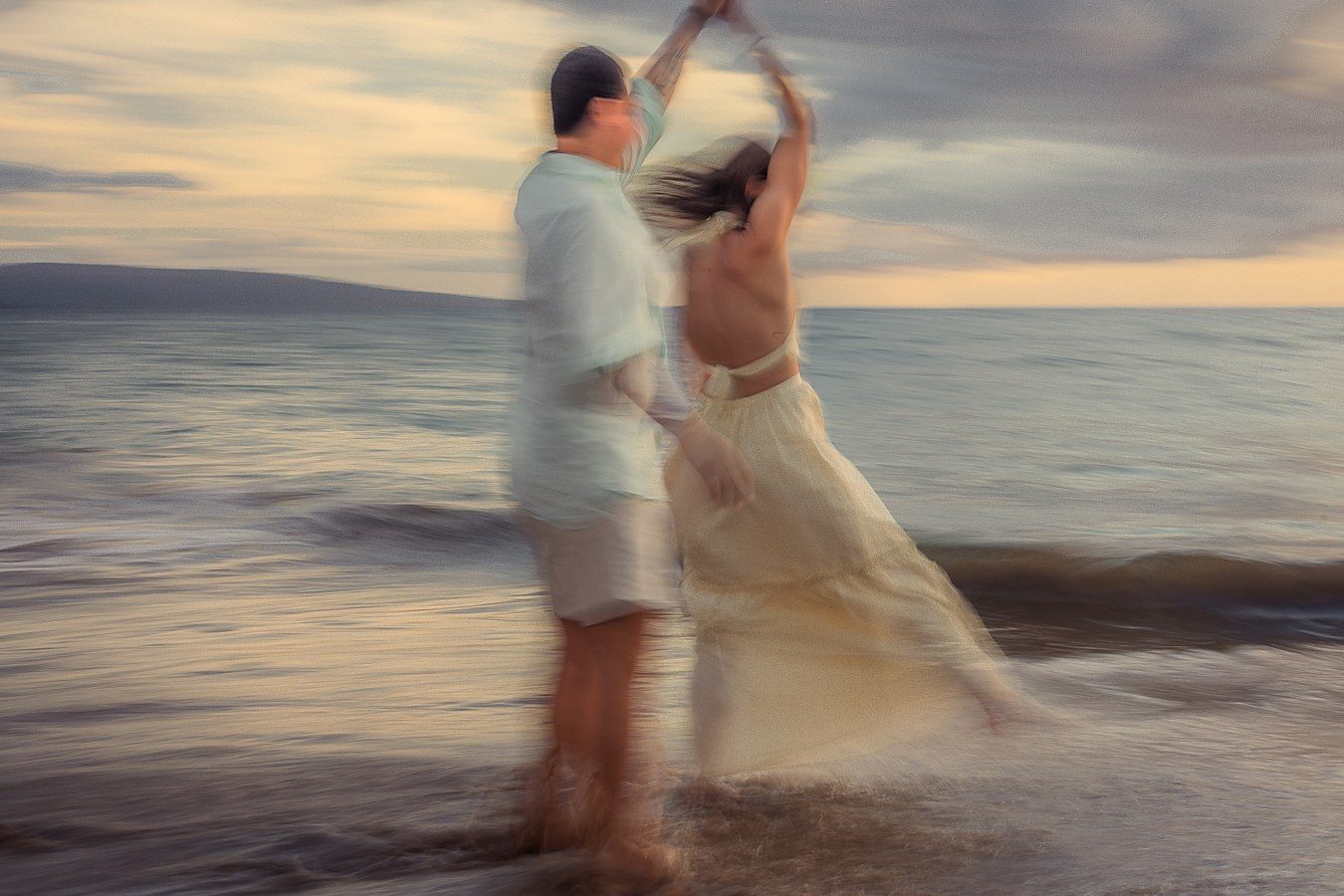
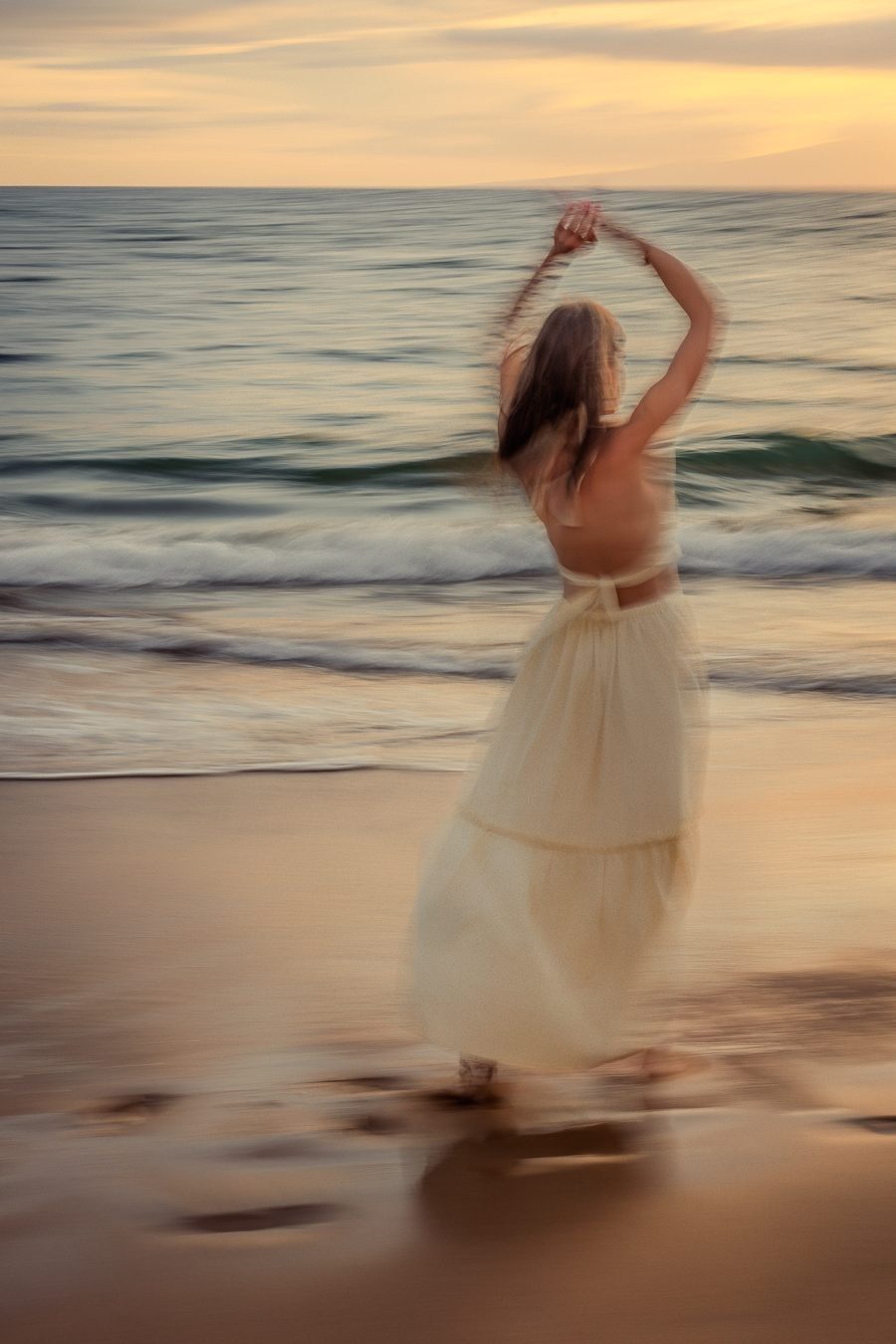
Motion as brushwork
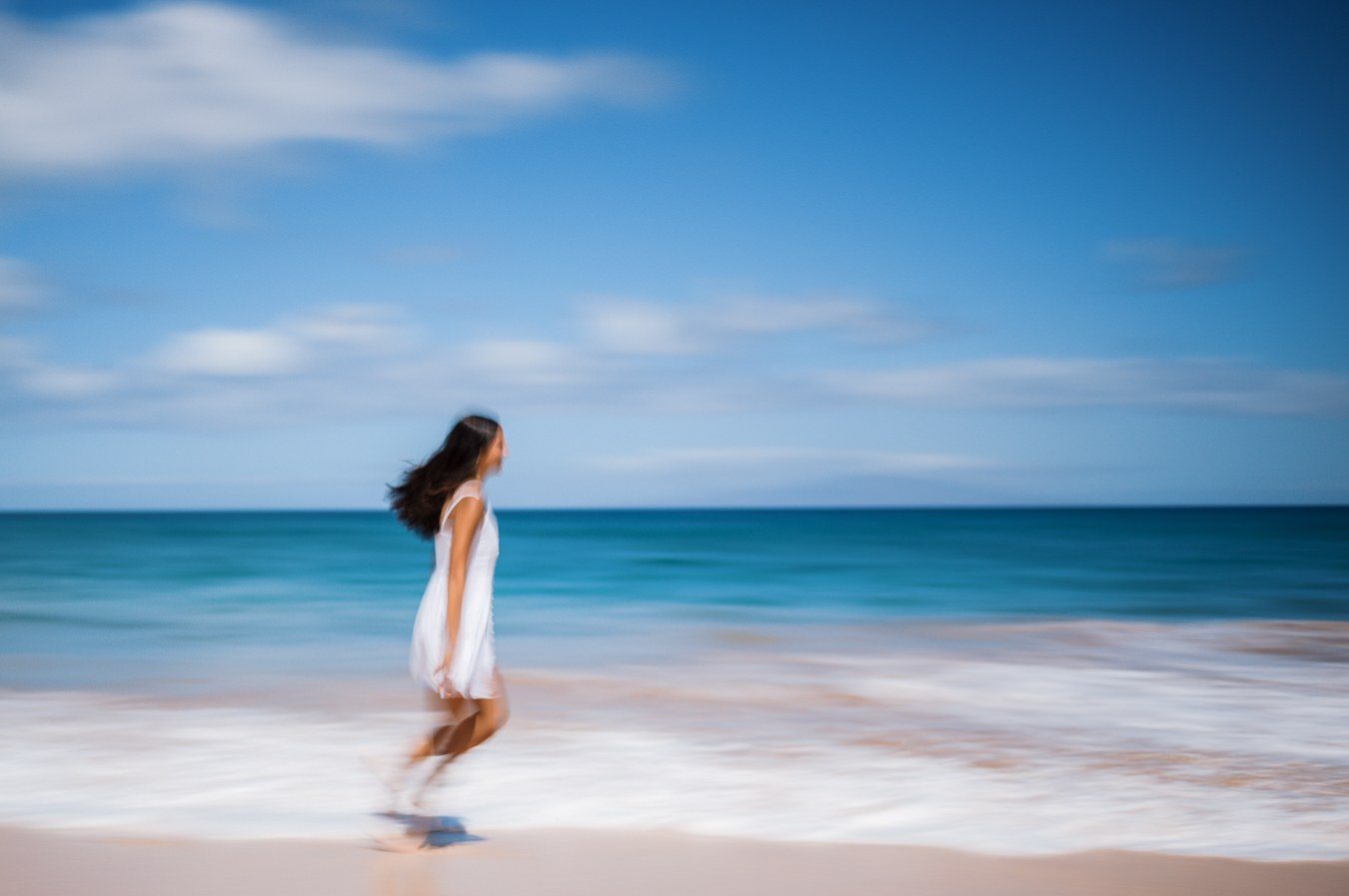
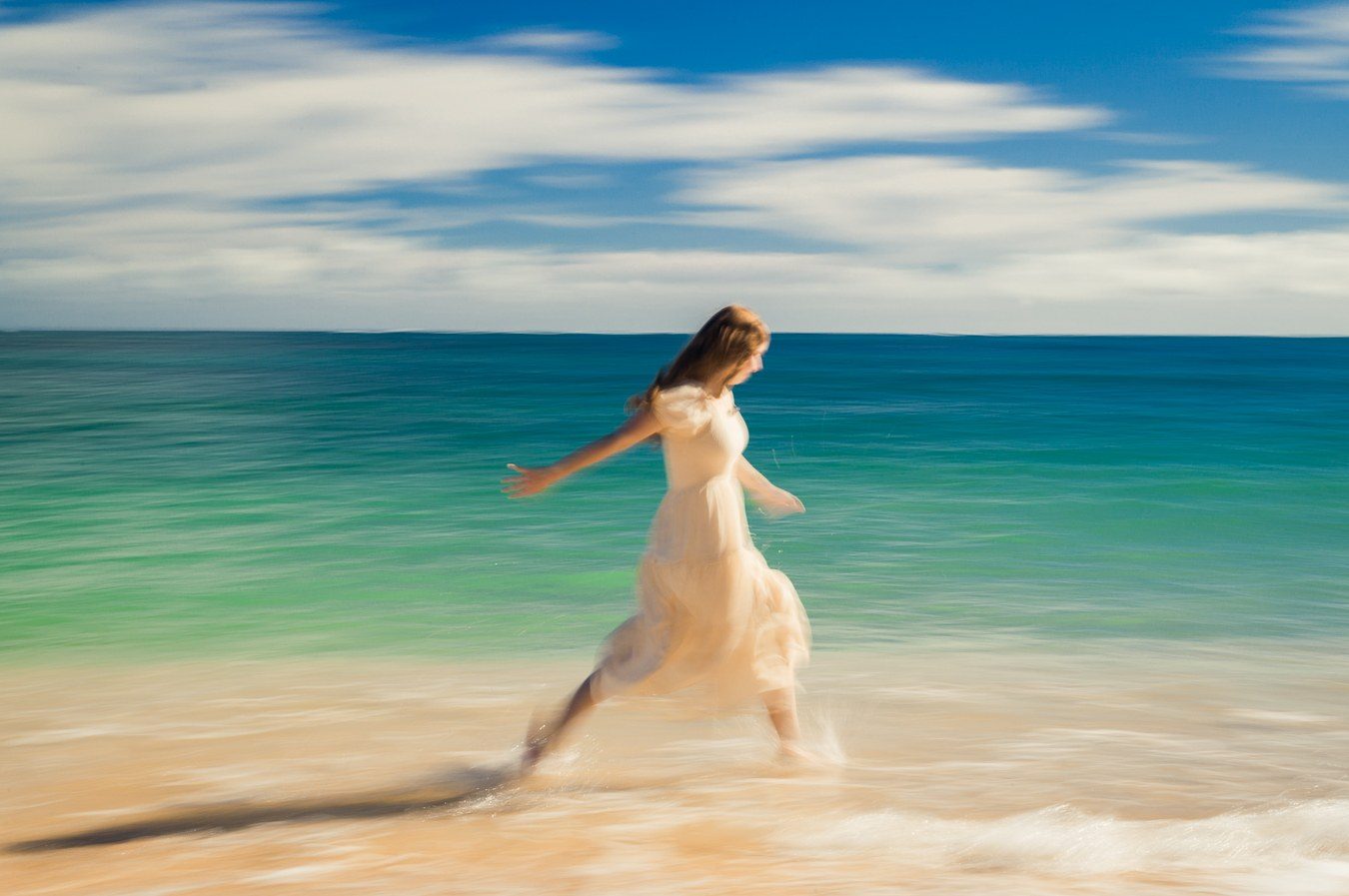
Blur carries the movement; the face and the light carry the feeling.
Color, turned up
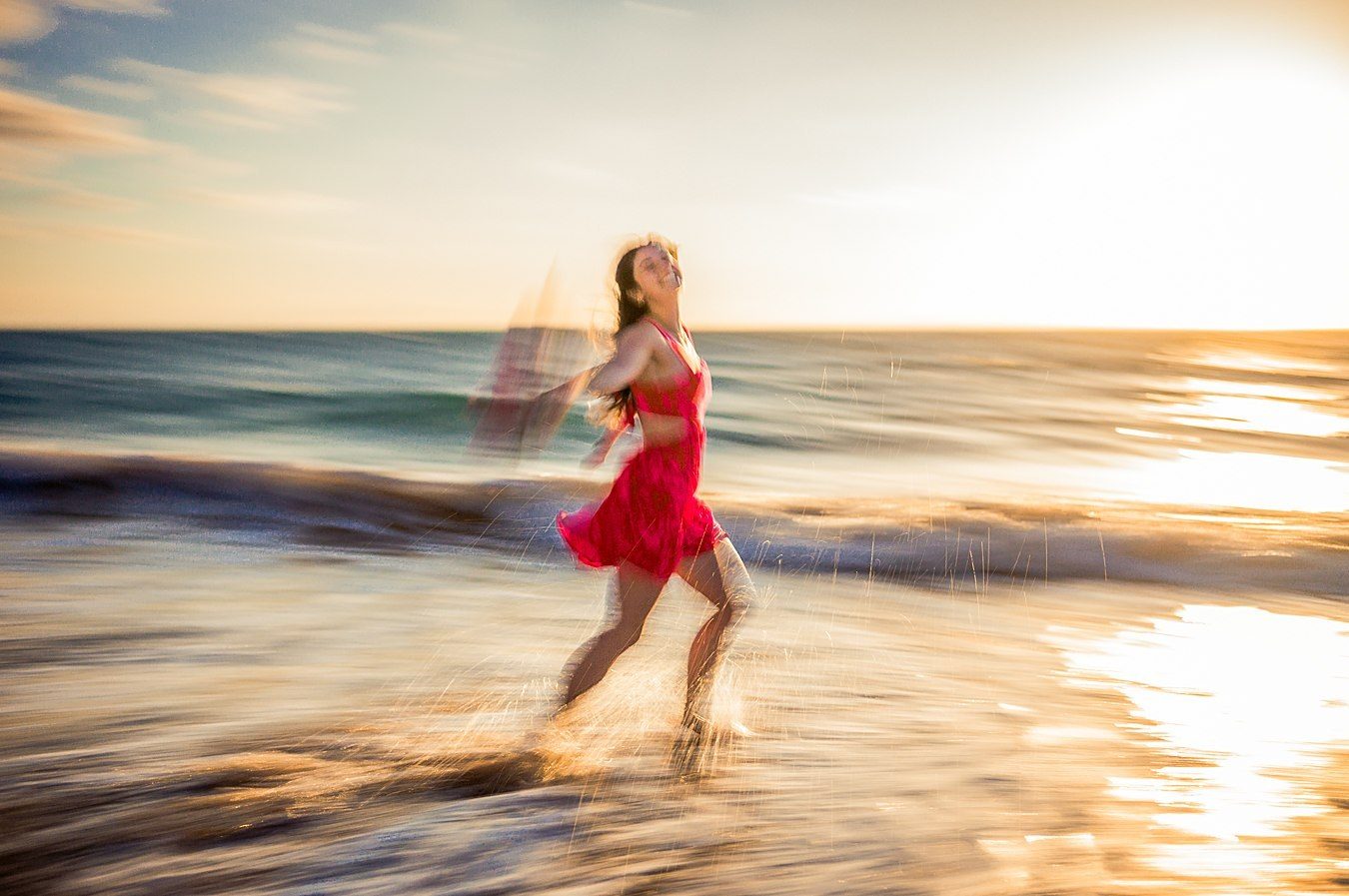
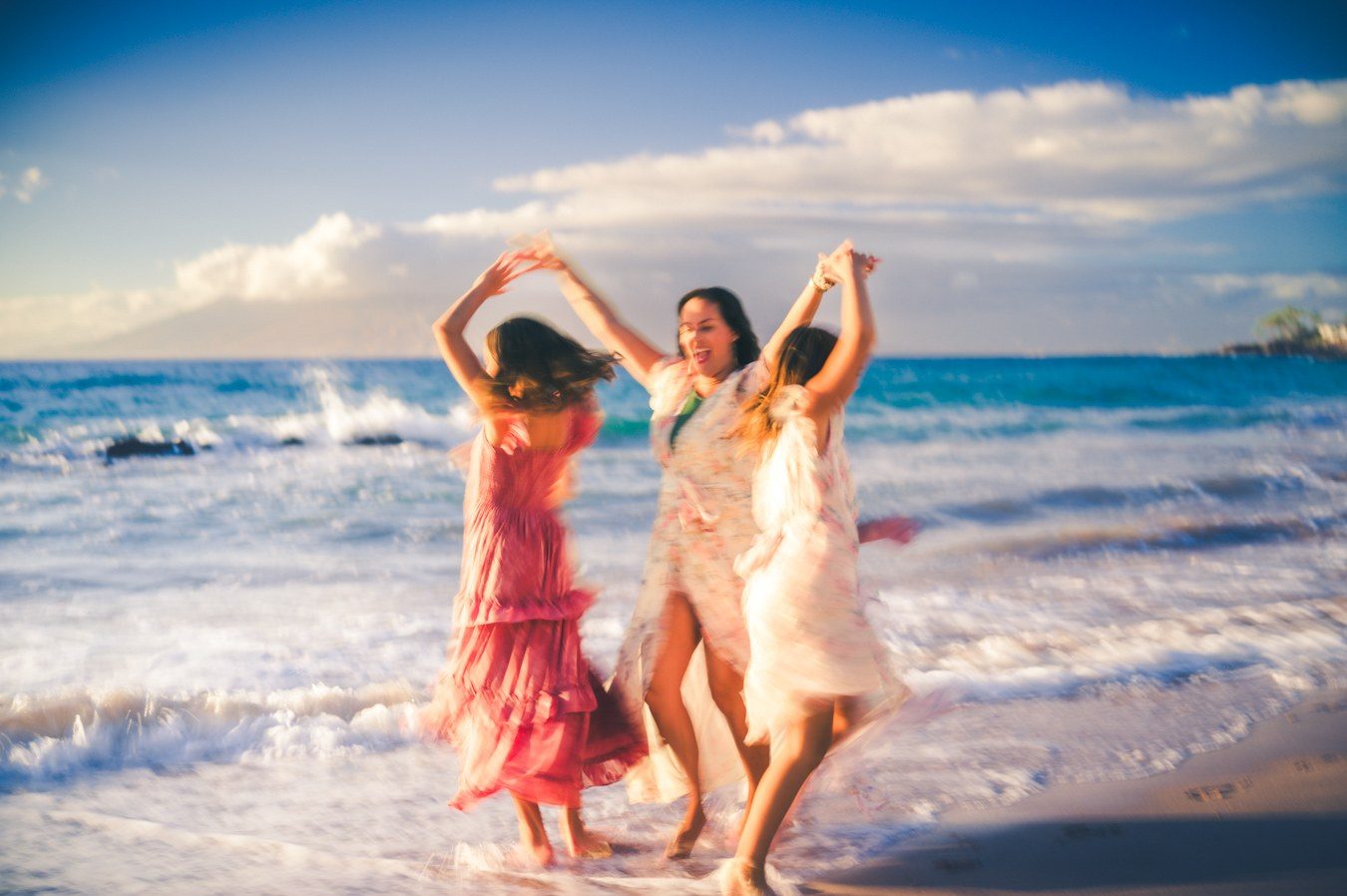
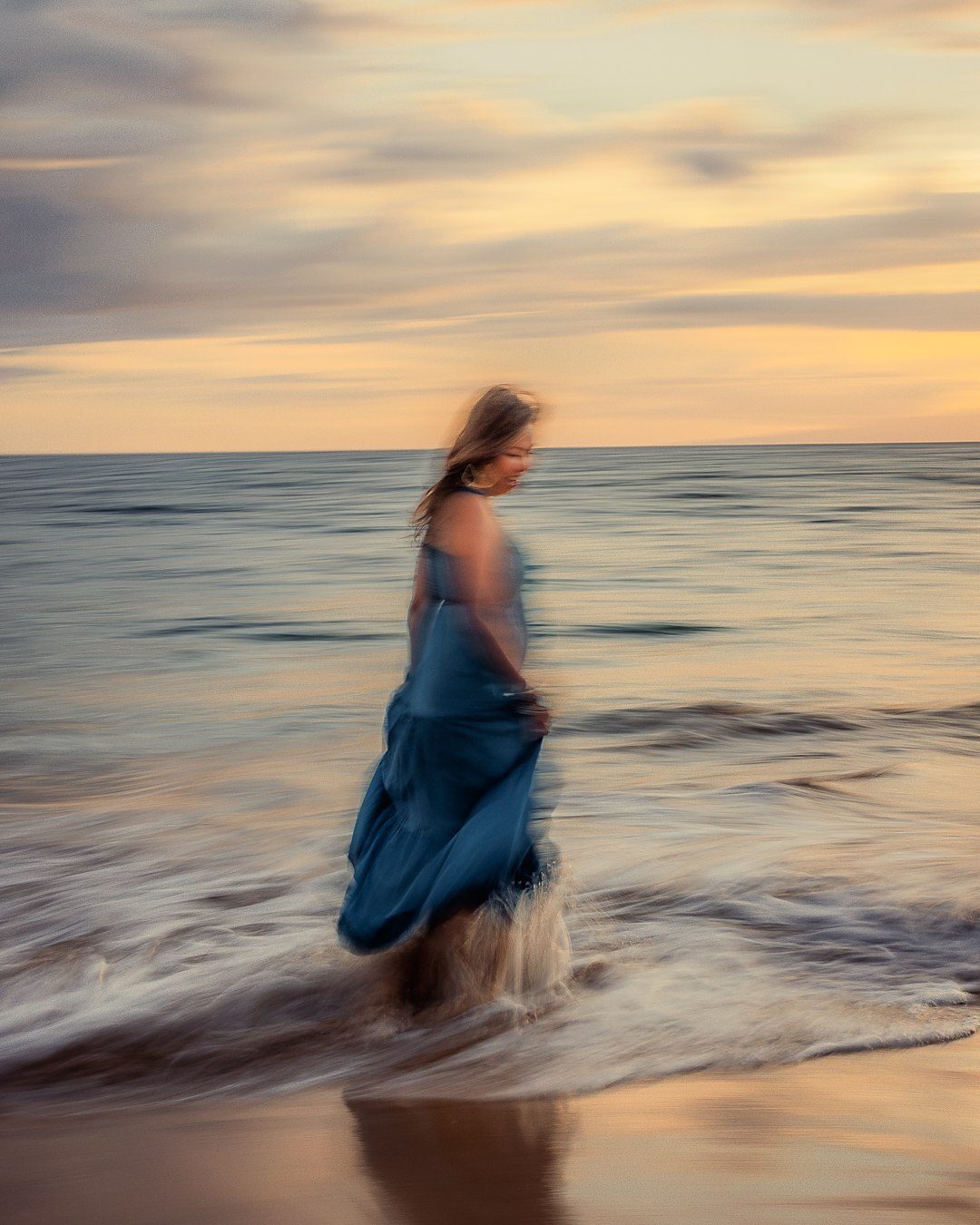
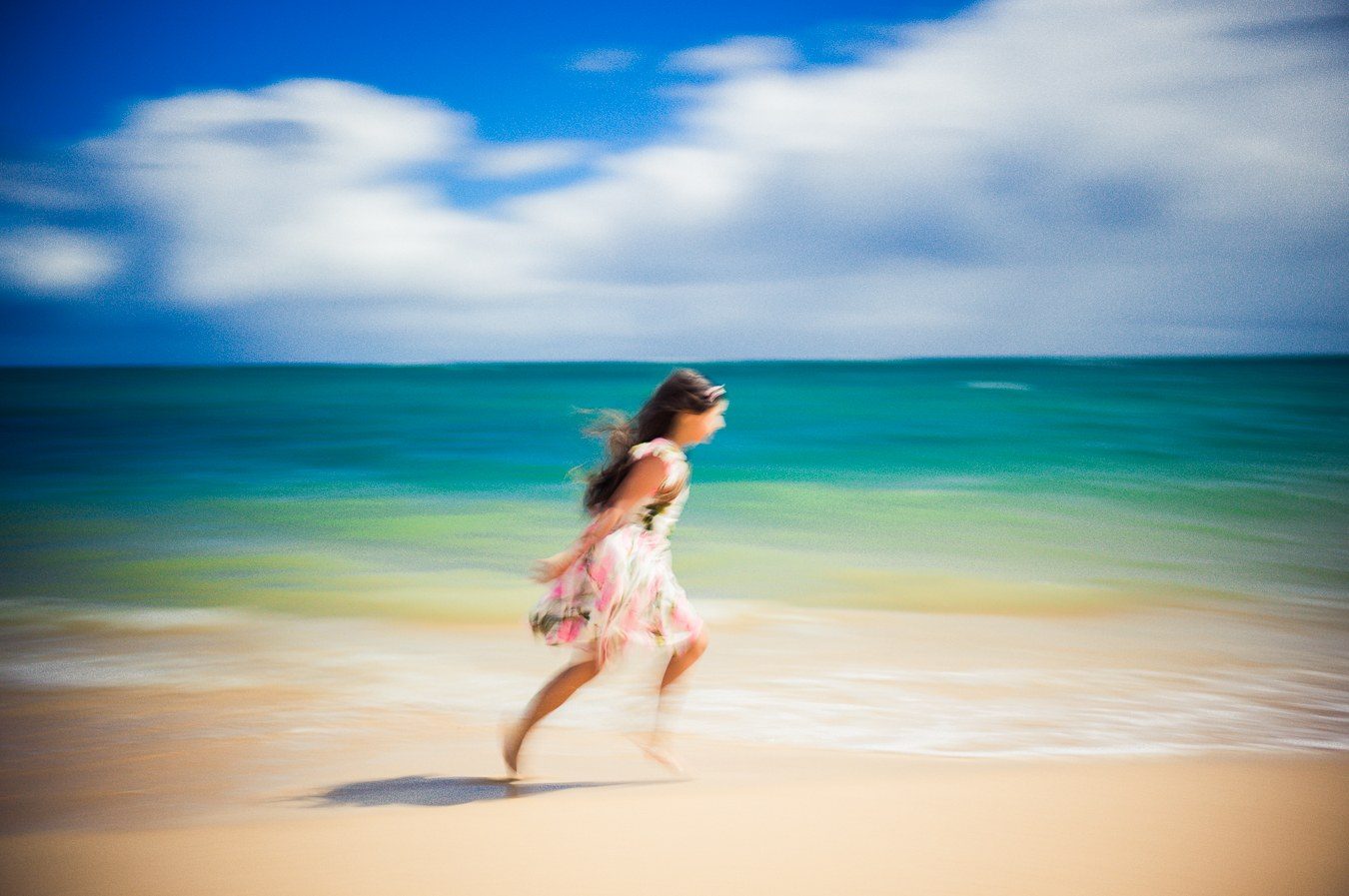
Strong blue and teal: the bright beach light Sorolla painted. Quick figures against long bands of color, and one figure holding still while the sea streaks past.
Laughter, blurred
Faces stay readable while everything around them moves. Time is the brush.
Impressionism in Street Photography
The street does the same work without a beach. Crowds, glass, reflections and passing light blur the detail and leave the feeling of a moment. These are frames where the impression won over the detail.


